 HIFU Treatment
Non-Surgical Skin Rejuvenation
HIFU Treatment
Non-Surgical Skin Rejuvenation
HIFU Treatment
Non-Surgical Skin Rejuvenation
HIFU Treatment
Non-Surgical Skin Rejuvenation
Face & Body Treatment Services
A detailed guide to every treatment zone — how each area is addressed, what the process involves, and the kind of results that can be realistically expected over time.
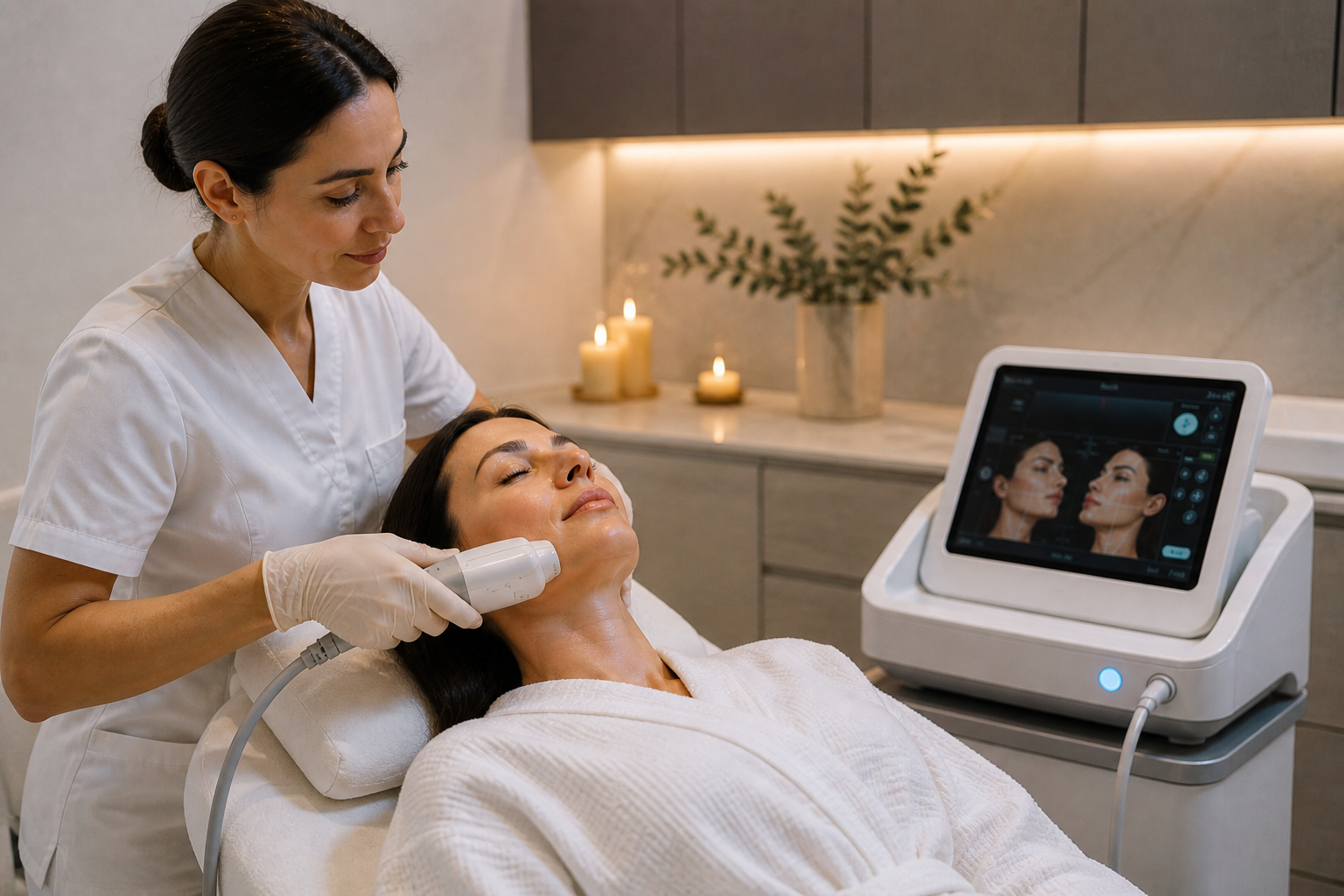
You know those moments when you look in the mirror and something seems off? Not dramatically so. The kind of softness where things used to sit a little more firmly. A shadow along the jawline that wasn't there a few years ago. The subtle lines that have crept deeper while you were distracted by the everyday business of being a person.
It happens to everyone. Collagen production slows, elastin fibres become slack and gravity continues to perform the same work it has always done. None of this is unusual. But what if you want to do something about it without going under the knife or introducing artificial substances? That is entirely reasonable. And this is where HIFU treatment fits into the picture.
HIFU - High Intensity Focused Ultrasound is not a new technology in itself. For decades, ultrasound has found safe applications in medicine, from diagnostic imaging during pregnancy to therapeutic practices in physiotherapy and even targeted applications in oncology. What HIFU treatment does is apply that same foundational science within aesthetic medicine, with applications such as https://camberley.hi-fu.co.uk/femiwand-vaginal/, primarily to tighten skin, address wrinkle concerns and disrupt fat cells in the body.
The device transmits ultrasound energy precisely under the skin. Think of it like using a lens to focus sunlight onto one concentrated point. The ultrasonic waves safely pass through the outer layers of skin and focus at a precise depth, and https://camberley.hi-fu.co.uk/consultation-booking/ can help people explore the treatment process, forming micro-points of thermal coagulation. These are micro-injuries, invisible underneath the skin surface, but in response something powerful is triggered below: your own body healing itself.
It is this healing response that is the actual driver of HIFU therapy. By focusing energy on certain points, the tissue is heated to approximately 60 to 70 degrees Celsius. The body senses the controlled thermal change and begins creating new collagen and elastin for repair. This does not happen overnight. The initial tightening effect results from an immediate contraction of existing collagen fibres during treatment. However, the larger and more durable effects take weeks to months to develop as new collagen matures and restructures the support system of the skin.
Cartridges of various depths allow practitioners to reach different layers of tissue. At 1.5 millimetres, the energy targets the superficial dermis — ideal for fine lines and skin texture. At 3.0 millimetres, it penetrates into the deeper dermis, where most collagen production takes place. And at 4.5 millimetres deep, the energy reaches the SMAS layer — the same muscle-type fascia that surgeons adjust in a conventional facelift. One of the key distinctions of HIFU is its ability to target the SMAS layer without surgery.
No incisions. No injections. No general anaesthesia. No stitches. That is the appeal, in its simplest terms.
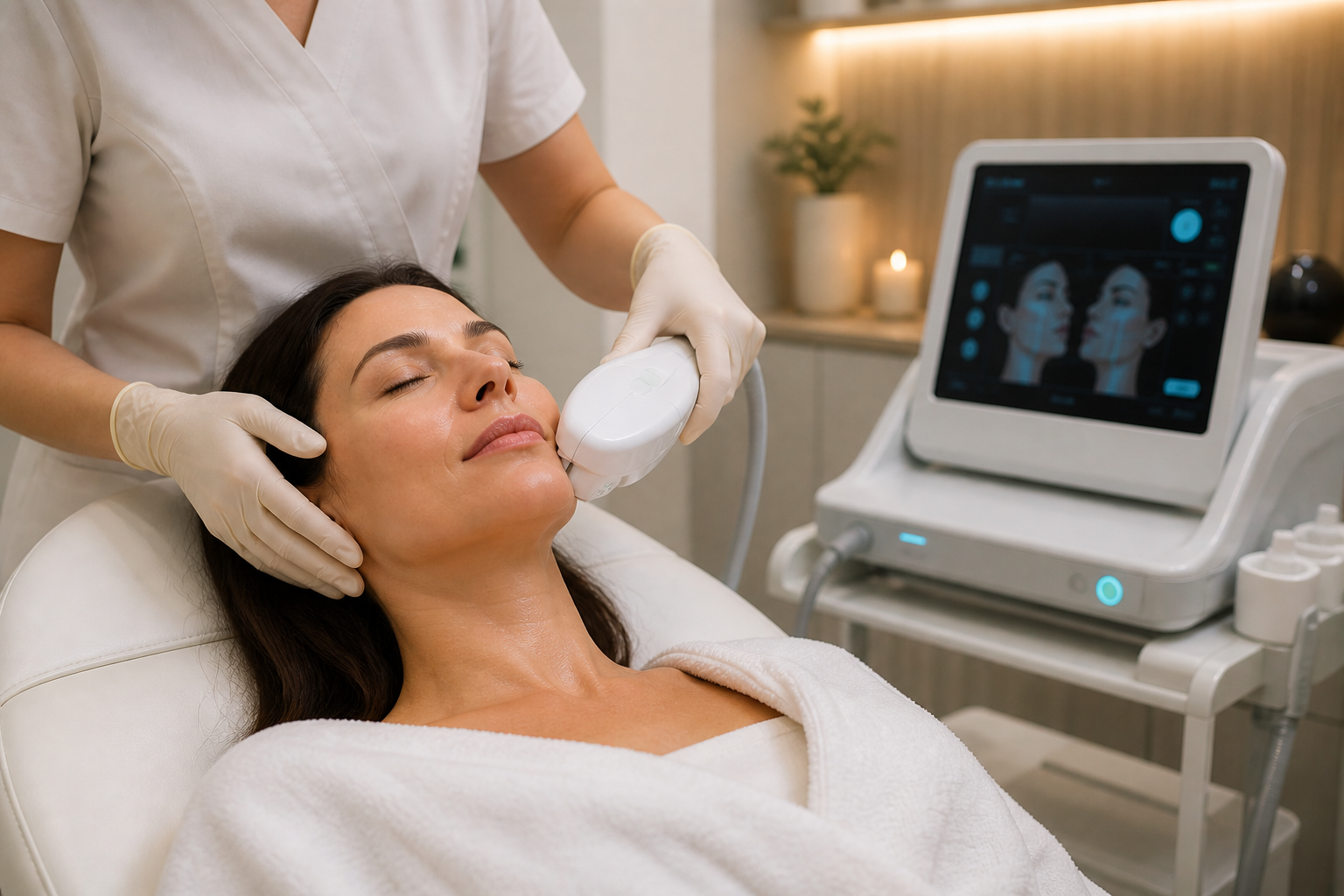
Many people first notice the signs of ageing in their face, which is why HIFU treatment has made a name for itself here. Each section of the face behaves differently, ages uniquely, and responds to specific cartridge depths. Here is how HIFU treats them, zone by zone.
A full face treatment covers all the primary areas from the forehead to the chin and frequently includes the neckline. This is the most comprehensive single-session approach, and resources such as https://camberley.hi-fu.co.uk/hifu-face/ show how practitioners treat the face as one connected region rather than a collection of disconnected areas. This is important because ageing never occurs in neat boxes. When the forehead drops, the brows follow. When mid-face fullness is lost, the jawline is pulled down as well. These connections are why a full face approach matters.
Most full face treatment sessions last between 60 and 90 minutes, depending on the areas being treated and how many lines of treatment are performed. The practitioner systematically moves across the forehead, periorbital region, cheeks, nasolabial folds, jawline and submental area, adjusting cartridge depths and energy levels between zones. Areas with thinner skin, such as the periorbital region, require shallower depths and gentler energy, whereas regions like the jawline and lower face benefit from deeper treatment for more substantial structural tightening.
After a full face session, you may notice a subtle lift straight away — a sense of freshness in the skin that is hard to describe but easy to feel. The fuller transformation builds over the following three to six months, reaching its peak alongside collagen remodelling. Most practitioners recommend a follow-up session 6 to 12 months after the initial procedure in order to continue building on the collagen gains and maintain improvement momentum.
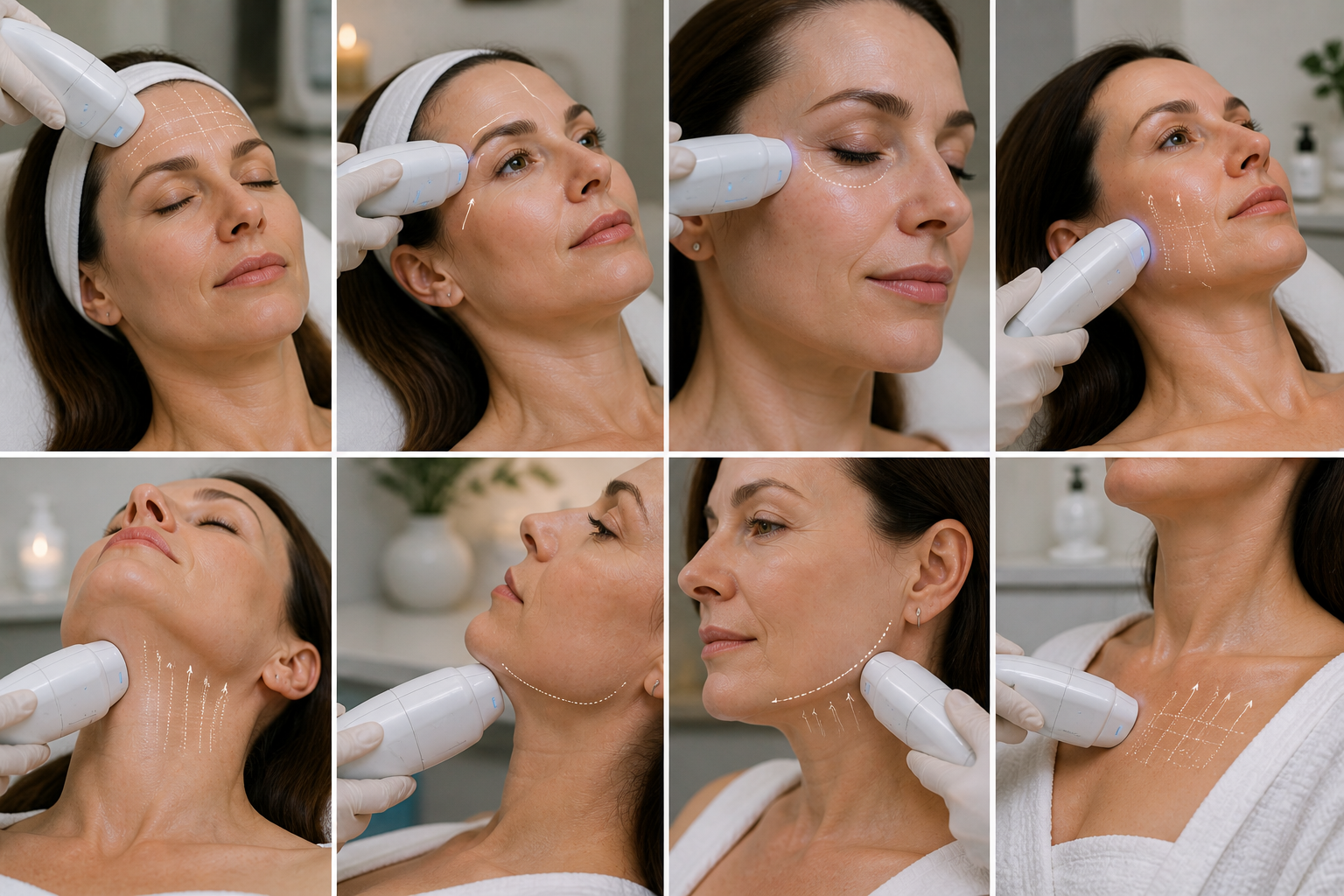
The forehead is one of the most expressive areas on the face, and after years of raising eyebrows, squinting and frowning, it certainly shows. Horizontal forehead lines and those vertical furrows that appear between the brows — often referred to as "eleven" lines — are two of the most frequent concerns.
HIFU for the forehead uses shallower cartridge depths to navigate the dermal layers where fine lines form. The heat stimulation promotes the skin to gradually thicken and tighten over time, softening creases without freezing facial expression. You still look like yourself. You simply look like a slightly more well-rested version.
Brow ptosis the slow descent of the brows is something people often notice long before they can describe it. The eyes begin to feel heavier. Hooded. Tired. And sometimes the eyelid itself hasn't changed, but the brow sitting above it has simply drifted lower than it once sat.
HIFU treatment performed above the brow line can achieve a measurable lift, and examples such as https://camberley.hi-fu.co.uk/eyebrows/ help show how this area is treated. It is subtle this is not a surgical brow lift. But a couple of millimetres in height can create a noticeably wider-looking eye area, bringing back the alert, open look that heavy brows slowly take away.
The skin around the eyes is thinner than perhaps any other area on the face. It contains less fat and fewer oil glands, and it is in perpetual motion. Each smile, each squint, every laugh leaves its mark. Over time, those marks become permanent features.
HIFU treatment applied around the periorbital area uses the shallowest cartridge depths to target fine lines while protecting adjacent delicate structures. The gradual increase in mature collagen helps restore lost density and tone to the skin, fading the fanned-out lines radiating from the outer corners of the eyes. The result is a smoothed but not frozen appearance around the eyes — something many other approaches struggle to achieve.
Volume loss tends to be particularly noticeable in the mid-face. High, full cheeks flatten and descend, contributing to deeper nasolabial folds — the lines running from the nose to the corners of the mouth — and can make the face look tired or drawn. Gravity and fat pad displacement both play a role, along with the gradual breakdown of the collagen network that once held everything in position.
Cheek HIFU treatment focuses on the deeper tissue layers to rejuvenate structural collagen. It works to repair the scaffolding that supports the mid-face, alleviating some of the sag around the nasolabial folds and gently lifting the cheeks. Unlike dermal fillers, it does not replace lost volume but instead targets the laxity that gives the face a downward-sliding appearance.
The neck is, without a doubt, one of the most telling areas when it comes to age. For years it tends to be neglected while people invest in facial skincare. Common complaints include loose, crepey skin under the chin, horizontal neck lines (sometimes called necklace lines), and visible platysmal bands — the vertical cords that become more prominent with age as the platysma muscle separates.
HIFU treatment on the neck targets skin laxity and overall firmness. The deeper cartridge settings are aimed at the platysma and subplatysmal tissue, promoting contraction and collagen regeneration that results in gradual smoothing and firming of the neck silhouette. The neck is the area where many people see the greatest difference after HIFU, largely because of how well it responds to collagen stimulation.
A double chin is not necessarily about weight. Genetics, posture, ageing and the natural tendency for fat to accumulate in the submental area all influence how prominent it appears. You could be at your ideal weight and still have fullness under the chin, and it is one of the most stubborn areas to improve through diet and exercise alone.
HIFU treatment for the double chin works in two ways. At higher energy settings, the concentrated ultrasound disrupts the membranes of fat cells within the submental fat pad, and treatments such as https://camberley.hi-fu.co.uk/hifu-face/ show how this area can be approached, causing their gradual deterioration. These fat cells are then broken down and cleared through natural metabolic pathways over the following weeks. At the same time, the thermal stimulation tightens the overlying skin that can become lax. The result is a cleaner, more sculpted chin contour.
A defined jawline is one of those features that reads as youthful, even if most people couldn't explain why. A softened jawline and formation of jowls completely alters the shape of the lower face. The clean connection between chin and neck becomes less distinct. The face takes on a heavier, squarer quality than it used to have.
HIFU treatment along the jawline and jowl area reaches through the skin to deeper tissue layers, including the SMAS, resulting in a sharpening and lifting effect. As collagen remodelling occurs over the following weeks after treatment, some of the jawline's original definition is gradually restored. Jowls reduce. The boundary between jaw and neck becomes more angular. For many patients, jawline treatment is the most satisfying area because a meaningful change can be seen in profile.
The décolletage ages much like the face, as an area that is equally visible and equally exposed. The skin on the chest area thins over time due to sun damage, sleeping creases, hormonal changes and simple ageing often leaving it noticeably different in texture compared to the face above. The contrast becomes more apparent when people look after their facial skin but neglect the chest area.
HIFU treatment for the décolletage addresses fine lines and overall skin laxity through collagen rejuvenation. Shallower cartridge depths activate collagen in the dermis, restoring a degree of firmness and smoothness. This creates a more uniform appearance from the face down through the neck area, which is especially noticeable with clothing that reveals the upper chest.
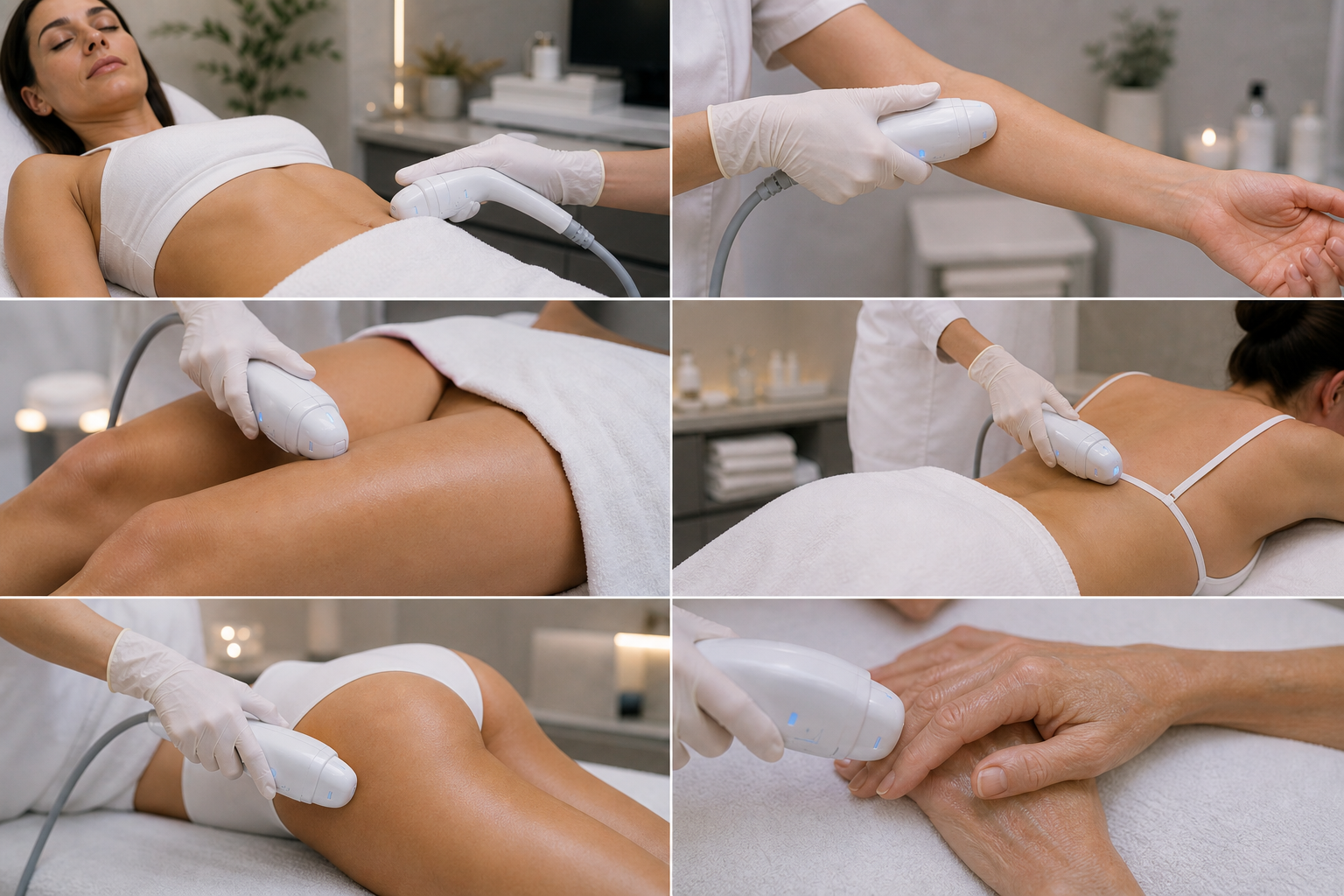
HIFU therapy is not confined to the face and neck. The technology can be applied across multiple body zones for skin tightening and fat reduction, with cartridge depth, power settings and energy delivery customised depending on the thickness of tissue and layers of subcutaneous fat.
The abdominal area is among the most popular body regions treated with HIFU. Loose abdominal tissue following pregnancy, stubborn fat deposits that resist diet and exercise, and general skin laxity are all concerns that HIFU for the stomach addresses — working on both tissue tightening and disruption of fat cells.
At the deeper settings, the ultrasound energy focuses on fat cells in the upper and lower abdomen, causing irreversible damage to their cell membranes. These cells are then broken down and cleared through natural metabolic pathways over the following weeks. At the same time, the thermal effect tightens and firms the overlying skin for smoother, more toned results.
People often perceive a difference in the fit of their clothing before they see it visually. Waistbands sit differently. The profile looks cleaner. Abdominal skin that once felt loose and soft becomes noticeably firmer. For women who have experienced post-pregnancy skin laxity that exercise alone cannot resolve, HIFU treatment offers a clinical approach to the skin itself, rather than just the muscle underneath.
It is important to note that this is not a substitute for liposuction or abdominoplasty and will not result in significant weight loss. However, as a non-invasive treatment with no recovery time, it serves as a genuine alternative for localised contouring and skin firming.
The upper arms are a concern that many people share but rarely feels easy to resolve. The skin on the inner upper arm is naturally thin and prone to laxity, which increases as collagen declines with age, causing it to become loose and crepey. Exercise alone does not always provide the results people are hoping for in this area.
HIFU for the upper arms targets both collagen rejuvenation in the dermis and superficial fat reduction. The tightening effect develops gradually, and while the outcome will not replicate a surgical arm lift, it can dramatically improve the tone and texture of loose skin in this area.
HIFU works well on the inner and outer thighs. The skin on the inner thighs often has a genetic disposition for laxity, especially after rapid weight loss or hormonal changes. Consistent friction in this area also contributes to the gradual breakdown of structural integrity over time. Stubborn fat deposits above the knees or along the outer thighs — sometimes called saddlebags — can prove resistant to targeted exercise no matter how dedicated you are.
HIFU treatment across the thighs combines skin tightening with fat disruption — using deeper cartridge settings to address the fat, and shallower depths for lifting, both in a single session. The inner thigh tends to show the most visible skin quality improvements because this tissue responds particularly well to collagen stimulation. The gradual improvement over a number of weeks provides the thighs with a smoother, firmer contour without requiring any downtime or pressure garments.
Many people don't think about their back when considering aesthetic treatments, but it is a common concern area. HIFU can be particularly effective in lifting the bra bulge zone — the area where skin and fat fold over the back of a bra band — as well as addressing general skin laxity across the upper and lower back. Deeper settings will not only disrupt fat cells and reduce fullness, but also stimulate collagen to firm the skin. This is one of those areas where the results are most apparent in how clothing fits, rather than in the mirror.
Like every other area, the firmness of tissue in the buttocks degrades due to gravity and the passage of time. HIFU treatment in this area focuses on skin tightening and minor lifting rather than dramatic reshaping. Collagen stimulation helps restore some firmness to the skin, and the cumulative result is a mild lift effect and better texture over the treated area.
The hip area, especially the flanks where love handles tend to appear, is a common site for stubborn fat deposits that simply will not respond to conventional approaches. HIFU is well suited for these fat deposits because it delivers focused energy at deeper tissue depths, damaging the fat cells while tightening the overlying skin. Over the following weeks, as the body metabolises and clears these disrupted cells, a contouring result becomes visible.
Hands age. It is one of those things that often surprises people, because they spend years caring for and protecting their face while their hands are exposed to sun, weather, chemicals and general wear. The skin on the back of the hands thins over time, with volume loss and reduced elasticity becoming increasingly apparent. Veins and tendons become more prominent. The texture becomes crepey.
HIFU treatment applied to the back of the hands stimulates collagen in this comparatively thin dermal layer, helping the skin recover some density and smoothness. The improvement is gradual and cumulative, and for many it becomes the finishing touch that makes everything about their appearance feel more cohesive.
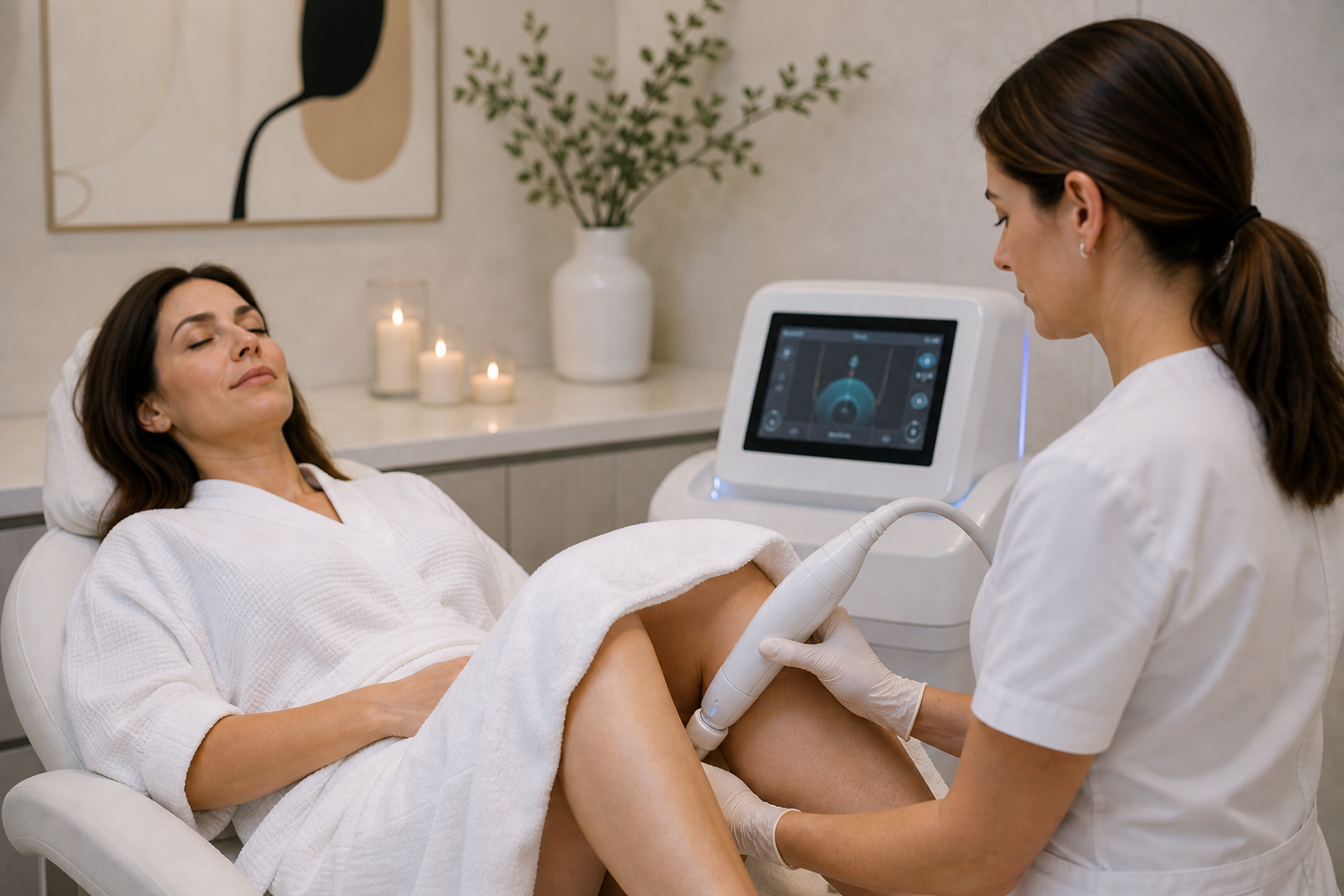
HIFU technology extends beyond the aesthetics of the face and body into the area of intimate wellness. Vaginal HIFU treatment, delivered through a targeted handpiece, addresses issues that many women experience but often feel uncomfortable discussing.
The application targets concerns including vaginal laxity, mild stress urinary incontinence, reduced sensation, and the tissue changes that can follow childbirth or menopause. Focused ultrasound energy stimulates collagen production within the vaginal wall layers, enhancing structural firmness, elasticity and overall tissue integrity.
The treatment is non-surgical. It does not require anaesthesia and involves minimal discomfort throughout the process. The majority of women describe the sensation as a gentle warmth. There is no downtime, and a return to normal activities can take place almost immediately.
This is a sensitive area of treatment, and individual results vary. It is not a replacement for medical treatment in cases of severe pelvic floor dysfunction. However, for many women seeking to address mild to moderate intimate wellness concerns through non-invasive means, it represents a discreet, comfortable and effective option.
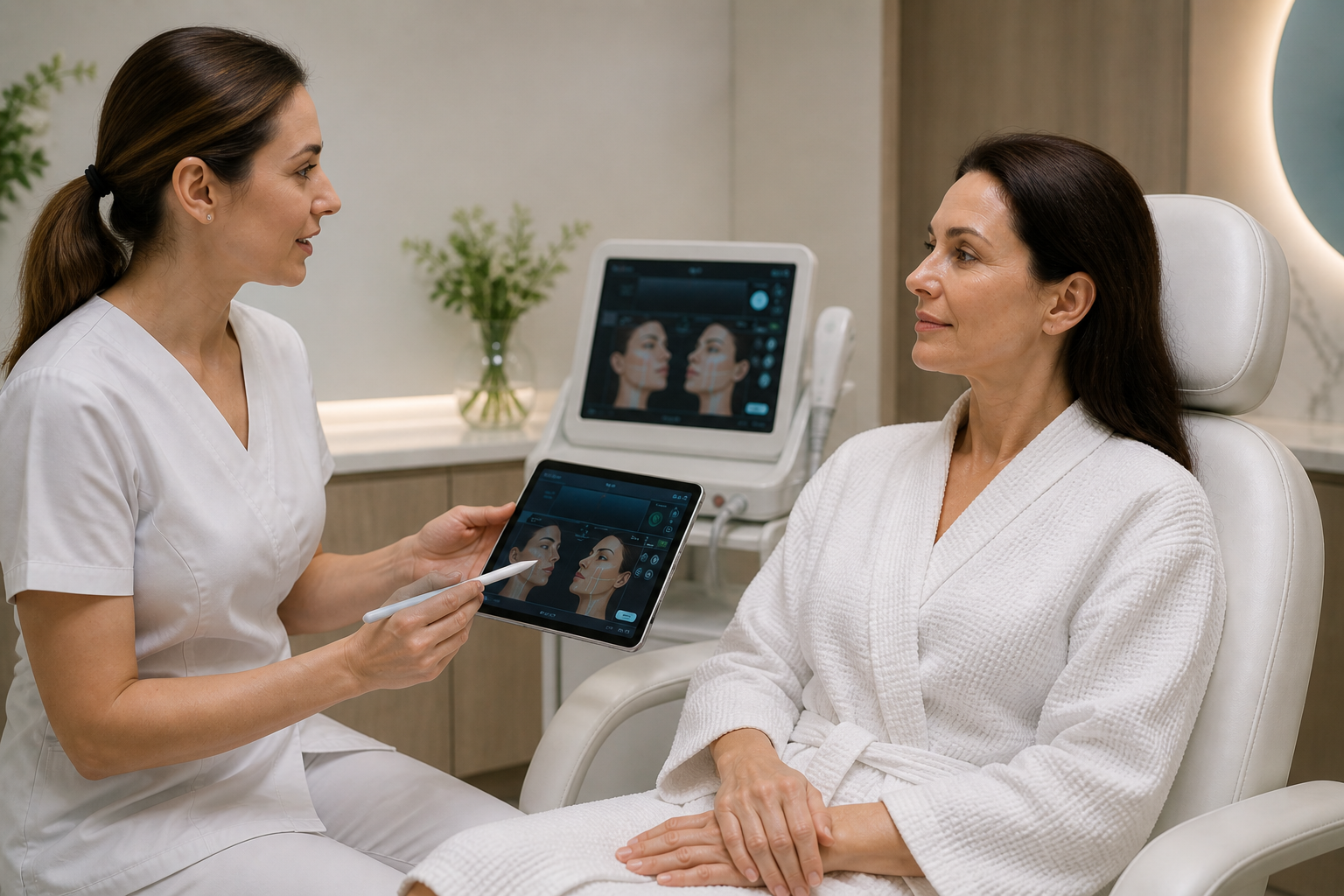
At its core, HIFU treatment is a skin tightening procedure. Ultrasound energy heats the targeted tissue layers to temperatures that induce immediate collagen fibre contraction, generating a subtle tightening effect from day one. But the more lasting tightening comes from the biological response that follows: new collagen formation, elastin regeneration, and the slow remodelling of the tissue matrix below the skin surface.
This is what distinguishes HIFU from topical products or treatments that only involve the outermost layers. It reaches deeper than any cream or serum ever could, and the tightening it promotes comes from within.
When skin loses its elasticity, wrinkles form. Creases develop from years of facial movement and become permanent features as collagen and elastin diminish. HIFU treatment mitigates the appearance of wrinkles by thickening and fortifying the dermal layer — the area where these structural proteins thrive. As new collagen fills in and firms up the tissue, the skin above it softens, resulting in a natural-looking reduction in wrinkle depth.
This should not be confused with injecting a filler to fill in a wrinkle. It is the skin becoming thicker and stronger, which creates a genuine softening rather than the filled or frozen appearance that some people associate with cosmetic work.
The dermis is the dense layer of connective and elastic tissue sitting below the epidermis but above the deeper adipose tissue. It contains the structural proteins collagen and elastin, along with blood vessels, nerve endings and connective tissue that give skin its strength and flexibility.
As the dermis becomes looser and thinner with time, the skin above it droops, wrinkles and loses its textural quality. HIFU treatment is delivered directly into the dermis to heat it and stimulate fibroblast activation. Fibroblasts are the cells that produce collagen and elastin. When activated by the controlled thermal stimulus from HIFU, they increase production, slowly but steadily replacing the lost structural components until density and integrity are restored.
This is why the results of HIFU treatment continue improving for months after the session. The fibroblasts continue their work, depositing new collagen fibres that mature and cross-link over time, forming a progressively denser, firmer base for the skin. While treatments such as injectable options produce an immediate aesthetic change that gradually fades, HIFU produces the opposite effect. The initial change is modest, but the peak result arrives months later. The process requires patience, but the outcome appears natural at every stage — rather than something having been visibly "done" on day one.
Collagen production begins declining around the mid-twenties. For the majority of people, the forties are when the rate of collagen loss overtakes production, and visible signs of ageing accelerate. HIFU treatment works by providing thermal stimulation that boosts collagen synthesis, interrupting this cycle.
The timeline generally follows this pattern. Existing collagen fibres contract during treatment, causing mild immediate tightening. Over the next two to four weeks, the early wound-healing response produces new collagen. This new collagen begins to mature and organise over the following one to three months. Between three and six months after treatment, collagen remodelling reaches its maximum and the final results become apparent. Some people continue to see small incremental improvements even beyond six months.
Understanding this biological timeline is helpful because it sets realistic expectations. HIFU does not produce instant transformation. It creates layer upon layer of natural-looking enhancement that develops with time, which is precisely what allows it to appear so undetectable.
At greater tissue depths and at higher energy settings, HIFU can cross over from creating thermal stimulation in surrounding tissues to disrupting fat cell membranes directly. When the membrane of a fat cell becomes irreparably damaged, that cell can no longer store fat. Over weeks, it degrades and the body clears the debris through the lymphatic system.
Because destroyed fat cells do not regenerate, this represents permanent localised fat loss in the treated zone. However, the procedure will not prevent weight gain because remaining fat cells in the area can still expand.
HIFU fat reduction is modest and localised. It is best suited for targeted pockets of stubborn fat rather than large-volume fat removal. Think contouring, not dramatic transformation.
HIFU serves both ends of the age spectrum. For younger patients in their twenties and thirties, it is preventative — stimulating collagen at a time when the body starts producing less, typically around age 25, but before visible ageing has taken hold. It is like strengthening the foundations before any cracks appear in the walls.
For older patients, HIFU treatment is corrective. It works to repair the collagen matrix that has broken down over years and addresses existing looseness, wrinkles and volume loss. It will not turn the clock back decades, but it can soften the most obvious signs of ageing in a way that appears natural and uncontrived.
It is important to be clear: HIFU is not a weight loss treatment. It does not promote overall body weight loss and should never be presented as a substitute for healthy nutrition and regular exercise.
What it offers is body contouring. The number on the scales may stay the same, but reducing fat in a targeted zone genuinely changes how the body looks and feels, and how clothing fits. HIFU treatment is most often sought by people who are at or near their target weight but are dealing with localised fat deposits that will not shift. It is an addition to a healthy lifestyle, not a replacement for one.
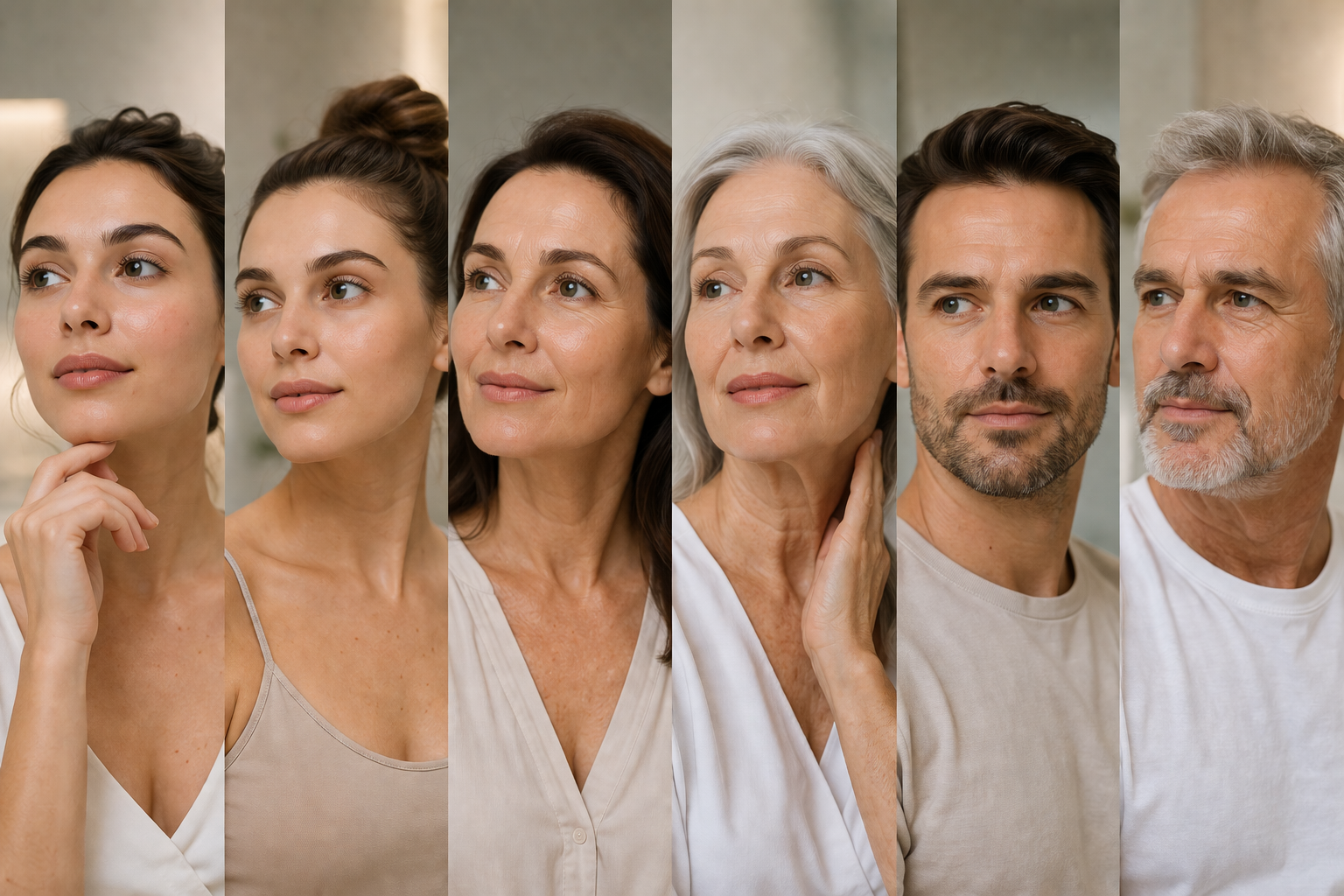
The majority of HIFU patients are female, and the range of concerns is wide. Common reasons for women seeking HIFU treatments include facial laxity, softening of the jawline, ageing neck, post-pregnancy changes to the body, stubborn fat deposits and overall skin quality. Some women arrive with one very focused concern — loose skin on the stomach after pregnancy, or a jawline that has gone soft. Others prefer a more comprehensive approach, with the face, neck and one or two body zones addressed in the same treatment course. The absence of needles, incisions and extended downtime makes it particularly appealing for those with busy lives who simply cannot afford significant recovery time.
The male non-surgical aesthetic treatment market has grown steadily, and more men are choosing HIFU. Jawline definition and neck tightening are very common requests, along with reduction of submental fat. Men also seek body treatments for the stomach, love handles and chest. Men are often drawn to the subtlety of the results. Most men do not want to look obviously treated. They want to appear sharper, leaner and more toned without anyone being able to pinpoint why. HIFU treatment provides exactly that kind of understated enhancement.
HIFU fits naturally into the growing trend towards preventative aesthetic treatment. Even without visible signs of ageing, collagen production is already beginning to taper off in the twenties and thirties. When treated with HIFU during this period, collagen production is triggered at a time when the body is still highly responsive, helping to prolong skin firmness and elasticity.
HIFU is also suitable for younger patients who desire jawline definition, mild skin laxity that may be hereditary rather than age-related, or early signs of volume loss in the mid-face. Because there are fewer lines to correct, younger patients tend to require less aggressive treatment approaches and more of a maintenance focus.
Generally, visible skin changes become more apparent in the forties. Jowls begin to form. The neck loosens. Lines that used to disappear when the expression changed become permanent fixtures. Collagen depletion accelerates noticeably, and gravity becomes increasingly difficult to counter.
HIFU for people over forty may involve a more comprehensive approach, with a higher number of treatment lines and multiple areas addressed in a single setting. The outcomes can be particularly noticeable around the jawline, neck and mid-face. Multiple sessions spaced months apart tend to give the best cumulative result for this age group.
For those over the age of sixty, real gains from HIFU treatment are achievable, though with realistic expectations. The skin has more laxity, greater collagen loss and a slower healing response than at thirty or forty. Nevertheless, HIFU can still stimulate significant collagen production and provide visible tightening, especially over the lower face, neck and jawline.
Most patients over sixty opt for a treatment series rather than a single session, with each session building on the collagen stimulation of the last. The improvements tend to be gradual and cumulative. HIFU treatment can become an integral part of a broader approach to ageing well, in combination with effective skincare, sun protection and overall wellness.
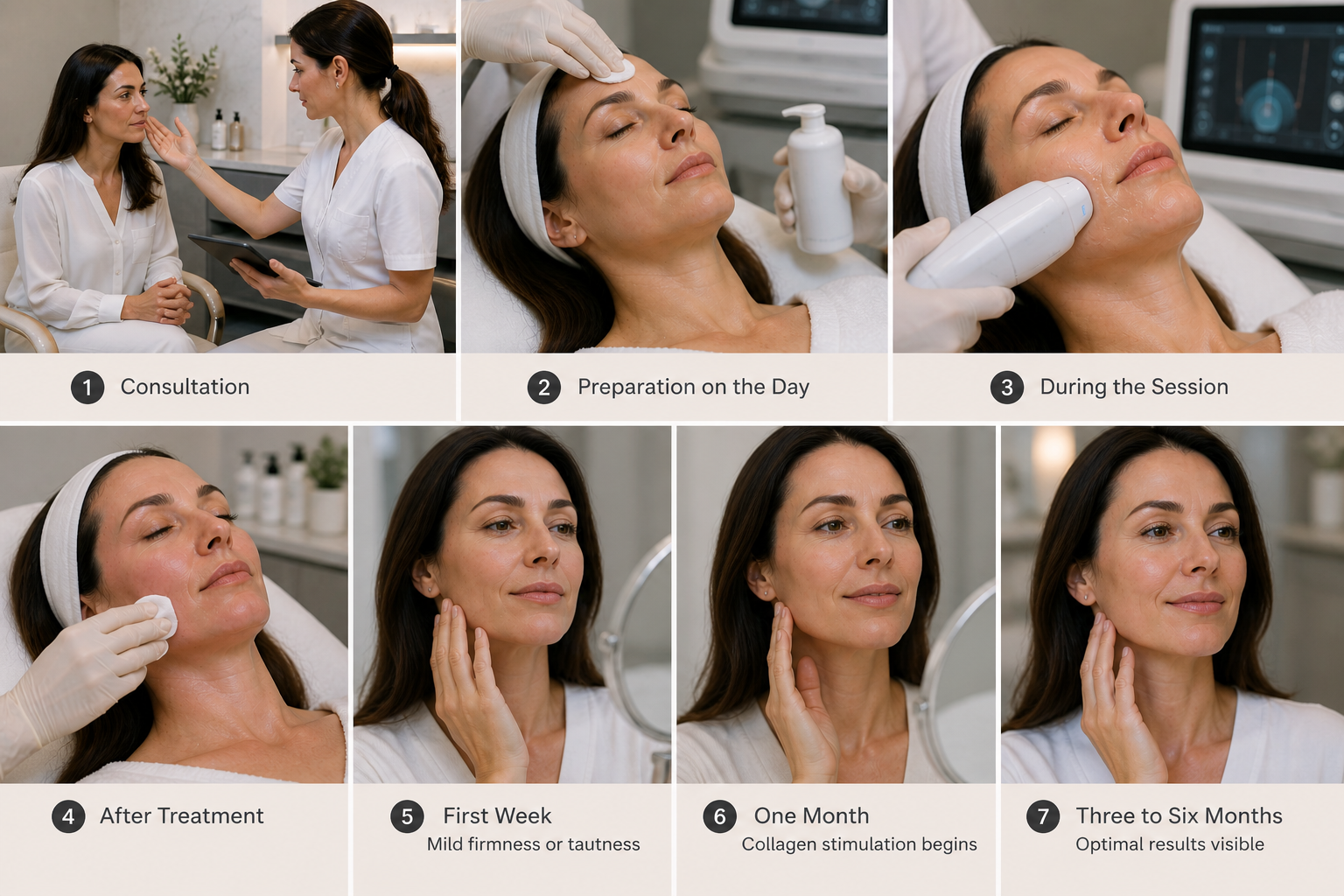
Knowing what to expect from a HIFU treatment session removes much of the apprehension. It is a fairly straightforward process, and most people find it entirely manageable.
Everything begins with a consultation. The practitioner assesses the skin, discusses areas of concern and desired outcomes, and determines whether HIFU is a suitable option. Not everybody is right for the treatment. Individuals with certain skin conditions, active infections in the treatment area, metallic implants close to the target zone, or extreme skin laxity that represents a surgical concern may be contraindicated or referred elsewhere.
On the day of treatment, the skin is cleaned and a layer of ultrasound gel is applied over the treatment area. This gel serves the same purpose it does in diagnostic ultrasound — it ensures that sound waves travel effectively and that energy is transferred uniformly into the skin.
The practitioner selects the appropriate cartridge depth depending on the area of treatment and concern. The device delivers focused ultrasound energy in very precise lines on the skin, and each pulse generates an array of coagulation points at a determined depth.
The sensation during treatment varies. Most people describe warmth, a tingling feeling, and in some areas a prickly or achy sensation — especially at higher cartridge settings or over bony areas such as the jawline and forehead. The discomfort is usually tolerable and transient, passing as the device moves to each new zone. Some areas are more sensitive than others. The forehead and jawline are generally more pronounced than the cheeks.
Session duration depends on the area treated. A localised treatment such as just the jawline could take between 20 and 30 minutes. A full face session is closer to 60 to 90 minutes. Body areas differ considerably depending on zone size.
You might feel warm or tingly, may appear a little pink, and could be tender to the touch — but this should resolve within hours. There is no significant downtime. The majority of people return to their normal routine right away, including applying makeup if they wish.
Changes appear gradually. In the first week, there may be some mild firmness or tautness of the skin, though it can be subtle. By one month, collagen stimulation has begun and early changes may become visible. Results are most noticeable at three to six months post-treatment, because the new collagen has fully matured and the tissue remodelling process has reached its peak.
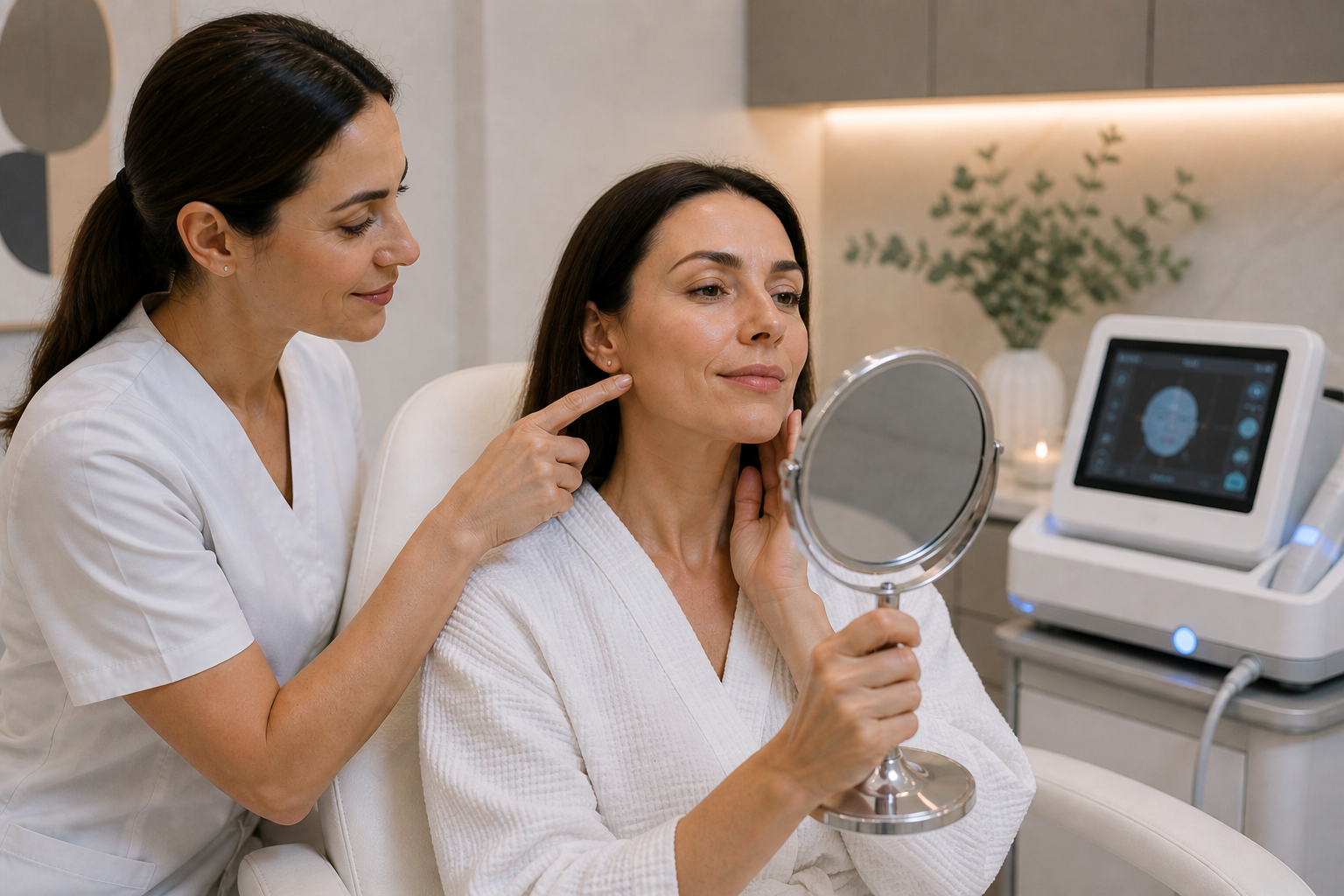
HIFU occupies a space that few other options do. It is more effective than topical products and basic cosmetic procedures, yet carries none of the risks, and resources such as https://camberley.hi-fu.co.uk/price/ can help people understand the expense, recovery requirements or permanence associated with surgery. Because it works with your body's own biology rather than against it, it activates natural processes instead of introducing external substances.
There is no single HIFU patient profile. Women and men, from their twenties to their seventies, seek treatment for everything from preventative maintenance to corrective care for long-standing, age-related concerns. What they share is a preference for results that develop gradually and naturally, and for a treatment that does not require them to put their life on pause.
HIFU treatment has steadily grown in popularity within the UK as a verified, mainstream aesthetic therapy for both face and body concerns. Its appeal does not rest on dramatic before-and-after promises. It is built on a clear, well-understood biological mechanism: focused ultrasound stimulates collagen and tightens tissue, and the body does the rest.
The technology continues to evolve. Newer generation devices are faster in treatment, more refined in energy delivery, and provide greater comfort than older systems. Nonetheless, the core principle remains the same. Focused ultrasound energy, applied at precise depths, elicits a physiological response that stimulates genuine and meaningful improvement over time.
For those who care about their skin and body but do not wish to undergo surgery, do not want injectable solutions that require regular commitment, and are not prepared to sacrifice weeks of time recovering, HIFU treatment presents an authentic option. It is not a miracle. It is not magic. It is biology, applied carefully and for a great many people, that is precisely enough.